Learn
The mempool and fees
Fee estimates (live)
Updates every 60s · data mempool.space
Next block
—
~30 minutes
—
~1 hour
—
Economy
—
May take much longer
What the mempool is
When you broadcast a transaction, nodes check it and pass it to their peers. Full nodes may keep track of unconfirmed transactions that are eligible for the next block in a “memory pool” (bitcoin.org). There is no single mempool: each node keeps its own, with its own size limit and policy, so two explorers can show slightly different pictures.
How transactions wait to be mined
Blocks have limited space. Miners build each block from their mempool, generally choosing the transactions that pay the most per unit of space. Everything else waits for a later block. When a block is found, its transactions leave every node’s mempool and the queue moves up.

Fee rates in sat/vB
Fees depend on the size of the signed transaction, not the amount sent, and the rate rises as demand for block space rises (bitcoin.org). Today the rate is quoted in satoshis per virtual byte (sat/vB). A transaction of 140 vB at 10 sat/vB pays 1,400 sats, whether it moves $10 or $10 million. Transactions with many inputs are larger, so they cost more.

Why fees spike
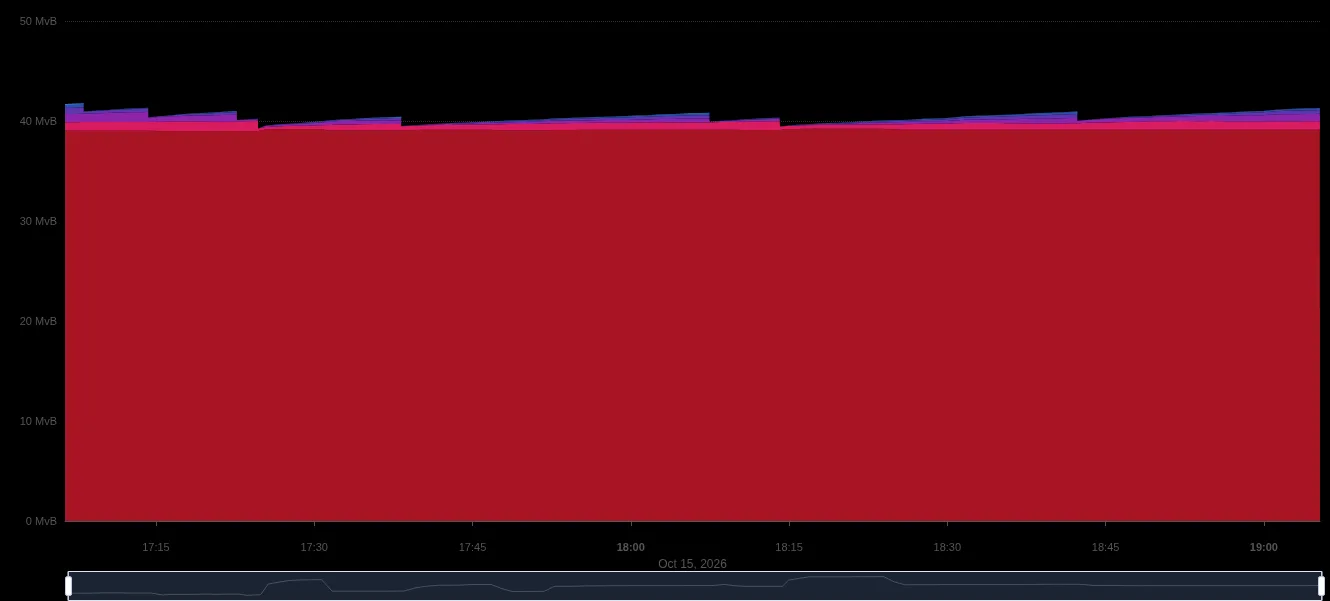
Demand for block space changes; supply barely does. A price swing, an exchange moving coins, or a wave of new activity can fill the mempool faster than blocks clear it. Then the minimum fee rate needed for the next block climbs until demand cools.
How to pick a fee
- Decide how soon you need it confirmed. Fee estimation means estimating the fee rate needed for a high chance of confirming within a given number of blocks (Optech).
- Use your wallet’s estimate, or compare it with a live view like the one above.
- Not urgent? Choose a lower rate and wait, but make sure your wallet can bump the fee later.
- Consolidate small coins when fees are low, not when you are in a hurry.
Stuck transactions: RBF and CPFP
Replace-by-fee (RBF) is a node policy that lets an unconfirmed transaction be replaced by one that spends at least one of the same inputs and pays a higher fee (Optech). Under BIP 125, the original signals that it is replaceable, and the replacement must pay at least the original’s absolute fee plus enough for its own bandwidth. Optech notes it must pay both a higher fee rate and a higher total fee. Some nodes also run “full-RBF”, accepting replacements without the signal.
Child pays for parent (CPFP) works from the receiving side: spend an output of the low-fee transaction in a child with a high fee rate, so miners include both to collect the child’s fee (Optech).
Never hand your seed to a “transaction accelerator” or anyone offering to help. Fee bumping is done in your own wallet.
Related
Screenshots taken by us from mempool.space on Oct 15, 2026. mempool.space is open-source software licensed under the GNU AGPL-3.0; images credited to The Mempool Open Source Project.
Sources
- bitcoin.org developer guide: P2P network (memory pool)
- bitcoin.org developer guide: transactions (fees)
- BIP 125: Opt-in full Replace-by-Fee signaling
- Bitcoin Optech: Replace-by-fee (RBF)
- Bitcoin Optech: Child pays for parent (CPFP)
- Bitcoin Optech: Fee estimation
- mempool.space (open-source explorer, AGPL-3.0)